admin
admin

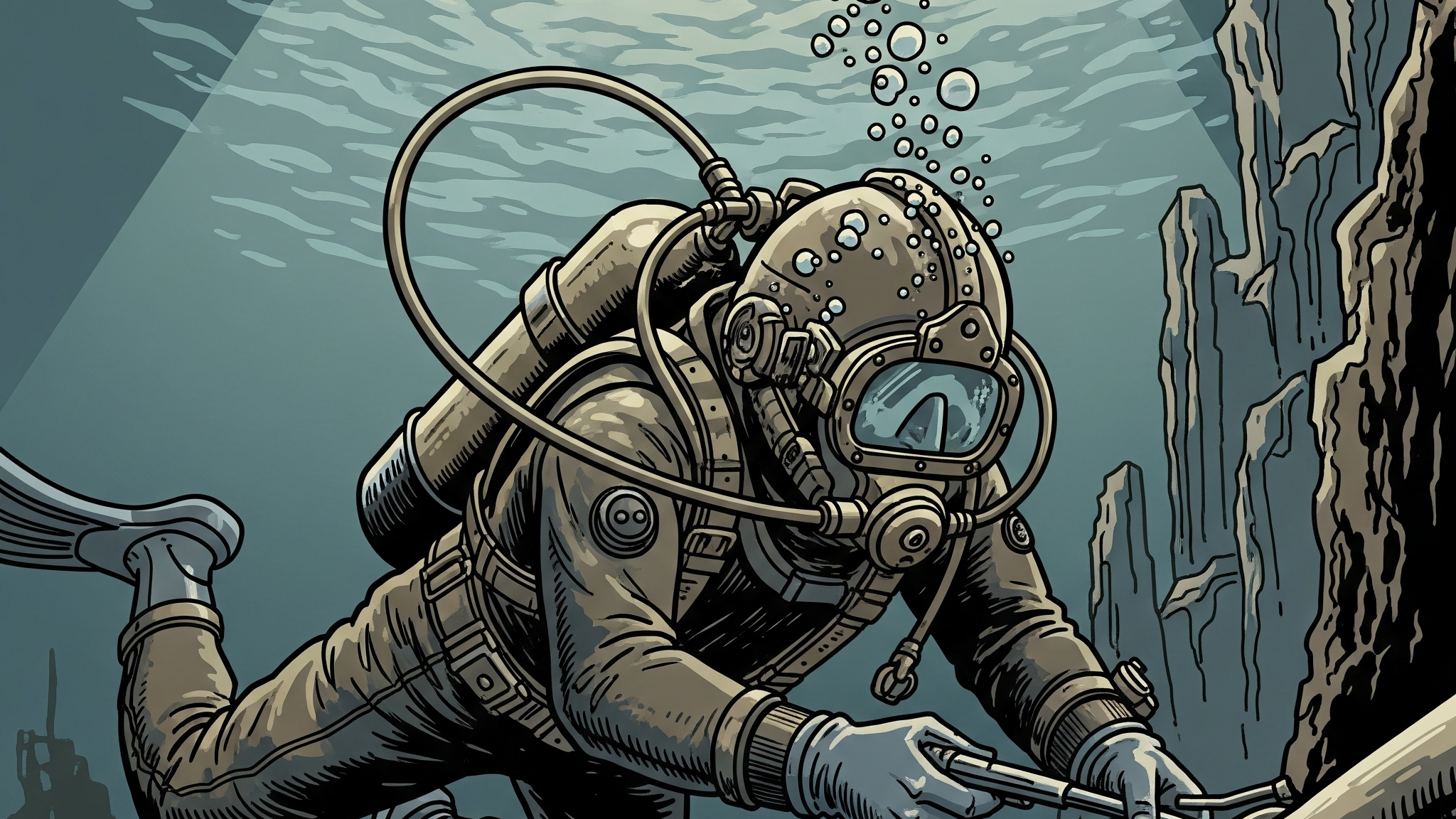
Commercial divers are the unsung heroes of many high-risk, high-value industries. From inspecting oil rigs in the Gulf of Mexico to repairing bridges and deploying underwater turbines, their work is essential to maintaining critical infrastructure.
Below is a breakdown of the top 7 industries that rely heavily on commercial diving, complete with statistics and a visual representation of estimated global market share:
1. Oil & Gas Industry (30%)
📍Why it relies on divers:
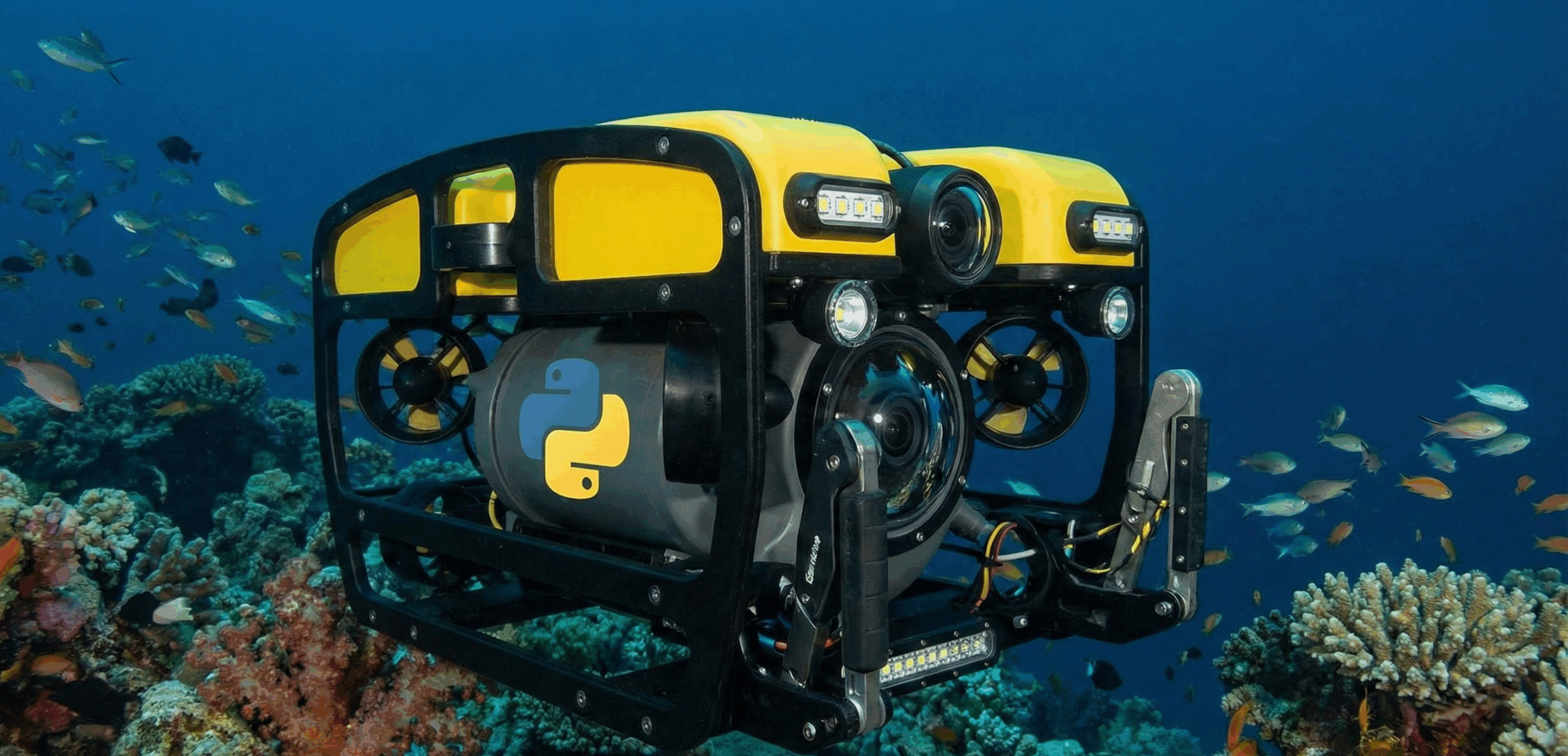
Commercial divers are absolutely essential to the oil and gas industry for a variety of reasons, primarily because a significant portion of oil and gas operations happen underwater, where humans are still needed for complex, hands-on tasks that robots and remotely operated vehicles (ROVs) cannot fully replicate.
Here’s a breakdown of why they’re so crucial:
Construction and Installation: Divers are involved in building and installing massive underwater structures like oil rigs, production platforms, subsea pipelines, wellheads, and manifolds. This involves tasks like underwater welding, cutting, bolting, and assembling components in challenging conditions.
Inspection and Maintenance: Offshore oil and gas infrastructure is constantly exposed to harsh marine environments. Commercial divers regularly inspect these structures for wear, damage, corrosion, or leaks using various techniques, including visual inspections and non-destructive testing. They then carry out necessary repairs and maintenance to ensure the integrity and safe operation of these critical assets.
Repair and Troubleshooting: When equipment malfunctions or damage occurs underwater, divers are on hand to perform complex repairs. This could involve anything from fixing pipelines to troubleshooting hydraulic and electrical systems on blowout preventers (BOPs).
Support for Drilling and Production: Divers assist with guiding BOP stacks onto guide bases, checking connections, and supporting anchor deployment and recovery for drilling rigs. They are also vital for the ongoing operation and maintenance of production platforms, wellheads, and associated pipelines.
Salvage and Recovery: In the event of accidents or damaged equipment, commercial divers play a key role in salvage and recovery operations, often in hazardous conditions.
Safety and Efficiency: While ROVs are increasingly used, divers provide a level of dexterity, problem-solving, and adaptability that is often required for intricate underwater tasks. They can operate specialized tools and make real-time decisions that ensure the safety and efficiency of operations, preventing costly delays and potential environmental damage.
In essence, commercial divers are the skilled “hands” of the oil and gas industry beneath the surface, performing vital construction, maintenance, and repair work that keeps the flow of energy moving.
📊 Market Insight: The global offshore oil & gas market was valued at $145 billion in 2023, with commercial diving making up a significant part of the support services. Divers are vital for maintaining operations in deepwater fields.
2. Civil Engineering & Infrastructure (20%)
📍Why it relies on divers:
Commercial divers are absolutely vital for maintaining and expanding our infrastructure, which often extends beneath the water’s surface. Here’s why they are so crucial:
Inspection and Assessment: Much of our critical infrastructure, like bridges, dams, pipelines, port facilities, and even underwater power cables, has components submerged in water. Divers conduct routine inspections to check for damage, corrosion, cracks, or wear that can’t be seen from above. They use specialized tools, including cameras and non-destructive testing equipment, to provide detailed assessments of these underwater structures.
Construction and Installation: When new underwater infrastructure is built, divers are the “hands” that perform complex tasks. This includes laying foundations, installing pipelines and cables, performing underwater welding and cutting, and assembling large structural components. They work closely with engineers and surface crews to ensure precise placement and secure connections.
Maintenance and Repair: Over time, underwater structures degrade due to water currents, marine life, and material fatigue. Divers are essential for performing a wide range of repairs, from patching concrete and sealing leaks to replacing damaged steel components. They prevent minor issues from becoming major failures, saving significant time and money in the long run.
Salvage and Recovery: In cases of accidents or natural disasters, divers are deployed for salvage and recovery operations, such as retrieving sunken vessels, clearing debris from navigation channels, or recovering lost equipment.
Specialized Environments: Commercial divers often work in challenging conditions, including low visibility, strong currents, cold water, and even contaminated environments. Their specialized training and equipment allow them to operate safely and effectively in these hazardous situations where ROVs or other methods may not be sufficient.
In short, commercial divers are indispensable because they provide the necessary human dexterity, problem-solving skills, and adaptability to build, inspect, maintain, and repair the underwater components of our essential infrastructure, ensuring its safety and functionality
📊 Stat Snapshot: According to ASCE (American Society of Civil Engineers), 45% of U.S. bridges are over 50 years old, creating constant demand for underwater inspection.

3. Shipping & Maritime (15%)
📍Why it relies on divers:
Commercial divers are indispensable to the shipping and maritime industry because so much of its operation and critical infrastructure exists beneath the water’s surface. They provide vital services that ensure the safety, efficiency, and continuous operation of vessels and port facilities.
Here’s why they’re needed:
Vessel Inspection and Maintenance (Ship Husbandry): Ships regularly require underwater inspections of their hulls, propellers, rudders, and other submerged components. Divers can perform these “in-water surveys” to check for damage, corrosion, or marine growth (biofouling) without the time and expense of dry-docking the vessel. They can also carry out cleaning, polishing propellers for better fuel efficiency, and even minor repairs like patching leaks or replacing anodes.
Emergency Repairs: If a ship suffers damage to its hull or propulsion system while at sea or in port, divers can quickly assess the damage and perform immediate repairs, such as welding, cutting, or patching, to prevent further issues or enable the vessel to reach a dry dock safely.
Propeller and Thruster Clearance: Propellers and thrusters can become fouled by fishing nets, ropes, or other debris, significantly impairing a vessel’s maneuverability and efficiency. Divers are routinely called upon to clear these obstructions, often in challenging conditions.
Port and Harbor Infrastructure: Divers inspect, maintain, and repair critical underwater structures within ports and harbors, including docks, piers, jetties, bulkheads, fendering systems, and mooring points. This ensures the structural integrity and safe operation of these facilities for docking and cargo handling.
Salvage and Recovery: In the unfortunate event of a sunken vessel, lost cargo, or other submerged objects, commercial divers are crucial for salvage and recovery operations. They utilize specialized rigging, lifting bags, and cutting tools to recover valuable assets or clear navigation channels.
Search and Rescue/Recovery: In emergencies, divers may be deployed for search and rescue missions or to recover evidence or remains from underwater incidents.
In essence, commercial divers provide the crucial human presence and specialized skills needed to address the myriad of challenges and maintenance requirements that arise in the underwater world of shipping and maritime operations, keeping global trade flowing safely and efficiently.
📊 Market Note: With over 50,000 merchant ships in service globally, routine underwater maintenance is crucial for port efficiency and ship longevity.
4. Military & Defense (12%)
📍Why it relies on divers:
Commercial divers play a critical, often unseen, role in military and defense operations, extending a nation’s capabilities into the underwater domain. Their expertise is essential for:
Underwater Reconnaissance and Surveillance: Divers conduct covert missions to survey enemy coastlines, harbors, and waterways, identify potential threats, and gather intelligence. They can install or retrieve sensors and other equipment without detection.
Demolition and Explosive Ordnance Disposal (EOD): Military divers are trained in underwater demolition, clearing obstacles, creating pathways, or neutralizing unexploded ordnance (UXO) and mines. This is crucial for safe navigation and amphibious operations.
Ship and Submarine Maintenance and Repair: Much like in the commercial shipping sector, military divers perform essential inspections, maintenance, and emergency repairs on naval vessels, including submarines, without the need for costly and time-consuming dry-docking. This keeps the fleet operational and ready.
Salvage and Recovery: Divers are vital for recovering sunken equipment, aircraft, or sensitive materials, whether it’s after an accident or a combat engagement. This can include retrieving black boxes, weapons, or other classified items.
Special Operations Support: Many special forces units rely on military divers for insertion and extraction, clandestine operations, and providing technical diving expertise for complex underwater missions.
Underwater Construction: This can involve building or repairing underwater structures for military bases, fortifications, or assisting with harbor improvements.
Security and Anti-Terrorism: Divers conduct underwater sweeps of ports, naval bases, and critical infrastructure to detect and neutralize underwater threats, such as limpet mines or saboteurs.
In essence, military and defense divers are specialized, highly trained professionals who enable naval forces and special operations to operate effectively and securely in the complex and often hostile underwater environment. Their unique skills are indispensable for national security.
📊 U.S. Navy Insight: The U.S. Navy employs over 1,200 active-duty divers, with many more in reserves and contractors. Military diving contracts are often long-term and high-budget.
5. Renewable Energy (10%)
📍Why it relies on divers:
Commercial divers are absolutely critical to the booming renewable energy sector, especially for offshore wind farms and other marine energy projects. Here’s why:
Construction and Installation: Building massive offshore wind turbines involves significant underwater work. Divers are needed to guide and secure foundations (like monopiles or jackets), install subsea cables that transmit power to shore, and connect various components of the turbine and substation platforms. They perform underwater welding, cutting, bolting, and precise rigging of heavy equipment.
Inspection and Maintenance: Once installed, these valuable assets are constantly exposed to harsh marine environments. Divers conduct regular inspections for structural integrity, corrosion, marine growth, and cable damage. They perform vital maintenance tasks, from cleaning and repairs to replacing sacrificial anodes (for corrosion protection) and fixing cable connections.
Cable Laying and Protection: A crucial part of offshore renewable energy is the subsea cable network. Divers are involved in preparing the seabed, guiding cable laying operations, installing protection systems like concrete mattresses, and performing repairs if cables are damaged.
Decommissioning: At the end of a project’s life, divers will be essential for the safe and environmentally sound decommissioning and removal of underwater structures.
Versatility and Dexterity: While ROVs (Remotely Operated Vehicles) are used, divers offer unmatched dexterity, problem-solving abilities, and the capacity to handle complex, unforeseen issues on site. They can work in intricate spaces and perform hands-on tasks that robots currently cannot fully replicate.
In short, commercial divers are the essential underwater workforce that builds, maintains, and ensures the long-term operational success of offshore renewable energy infrastructure, a cornerstone of our future energy needs
📊 Renewable Rise: The global offshore wind market is expected to reach $100 billion by 2030, and commercial diving services are essential during all lifecycle stages of offshore wind projects.
6. Aquaculture (8%)
📍Why it relies on divers:
Commercial divers are surprisingly vital to the aquaculture industry, which involves farming aquatic organisms like fish, shellfish, and seaweed. They are the essential “hands” that allow these underwater farms to operate efficiently and sustainably. Here’s why:
Net Pen and Cage Maintenance: The primary structures in aquaculture are often large net pens or cages. Divers regularly inspect these nets for tears, holes, or damage that could lead to fish escapes or allow predators in. They perform in-water repairs, patch nets, and clean them of biofouling (algae, mussels, etc.) to ensure good water flow and oxygen levels for the farmed stock.
Moorings and Anchoring Systems: Aquaculture farms are held in place by extensive mooring and anchoring systems. Divers are needed to inspect these lines, chains, and anchors for wear, corrosion, and security. They perform maintenance, adjustments, and repairs to ensure the farm remains stable and secure, even in harsh weather.
Infrastructure Installation and Repair: Divers assist in installing and maintaining various underwater infrastructure components, such as feeding systems, monitoring equipment, underwater lights, and aeration systems. They also help with the setup and relocation of entire farm sites.
Health and Stock Management: Divers can visually inspect the health of the farmed stock within the pens, identifying issues like disease outbreaks or mortalities. They might also assist in counting fish, moving stock between pens, or recovering dead fish.
Environmental Monitoring: Sometimes, divers deploy and retrieve environmental sensors or collect samples from the seabed around the farm to monitor the impact of operations.
Emergency Response: In cases of severe weather, equipment failure, or net damage, divers are crucial for rapid assessment and emergency repairs to prevent stock loss or environmental impact.
In essence, commercial divers provide the essential human intervention for the construction, day-to-day operation, maintenance, and emergency response of underwater aquaculture farms, ensuring the health of the farmed organisms and the economic viability of the operation.
📊 Growing Sector: With seafood demand rising, the aquaculture industry has grown to over $270 billion globally. Many high-yield operations are increasingly reliant on diver support for sustainable production.
7. Environmental Services (5%)
📍Why it relies on divers:
Commercial divers are essential in environmental services because a significant amount of environmental remediation and monitoring work needs to happen in or around water, often in challenging or hazardous conditions that require direct human intervention.
Contaminated Site Remediation: Divers are crucial for cleaning up polluted aquatic environments, such as Superfund sites, industrial discharge areas, or areas affected by chemical spills. They can safely handle and remove hazardous waste, contaminated sediments, sunken barrels, or other pollutants from the seabed, lakes, rivers, and even inside wastewater treatment facilities.
Oil Spill Response and Cleanup: In the event of oil or fuel spills, divers are deployed to assess the extent of underwater contamination, contain spills, recover spilled product, and conduct cleanup operations on submerged structures or the seabed. They can perform lightering (transferring fuel from a damaged vessel) and prevent further environmental damage.
Infrastructure Inspection for Environmental Compliance: Divers inspect underwater infrastructure (like pipelines, outfalls, and intakes) for leaks, blockages, or damage that could lead to environmental contamination or non-compliance with regulations.
Habitat Restoration and Monitoring: For ecological restoration projects, divers might be involved in planting seagrass, restoring coral reefs, removing invasive species, or deploying and retrieving environmental monitoring equipment to collect data on water quality, marine life, and habitat health.
Debris Removal: Divers participate in large-scale marine debris cleanup operations, removing lost fishing gear, plastics, and other harmful waste from oceans, lakes, and rivers that pose threats to marine ecosystems and navigation.
Hazardous Environments: Many environmental remediation tasks involve working in low visibility, strong currents, or in water contaminated with chemicals, pathogens, or even radioactive materials. Commercial divers receive specialized training and use protective equipment (like dry suits and full-face masks with surface-supplied air) to operate safely in these extremely dangerous conditions where ROVs might be limited or unable to perform the necessary hands-on work.
In essence, commercial divers provide the critical human capability to directly intervene in and solve complex environmental problems that occur underwater, protecting our natural resources and public health.
📊 Trend Watch: Environmental diving is expanding due to new regulations and climate resilience projects, especially in the U.S. and EU.
Final Thoughts
Whether it’s powering cities, transporting goods, or protecting coastlines, commercial diving is the backbone of underwater industry. As infrastructure ages and renewable energy scales up, demand for skilled commercial divers will only increase.
Thinking of hiring a dive team or starting a career in commercial diving? Now is the time.