admin
admin

Job Placement Trends and Outlook for Commercial Dive School Graduates
The commercial diving profession is a specialized and demanding field that plays a critical role in various underwater industries. This report examines the job placement landscape for graduates of commercial dive schools, analyzing current employment trends, wage data, the influence of training and certifications, and the broader factors that shape a diver’s career trajectory. While the overall job market for commercial divers is relatively small, a consistent demand for skilled professionals, coupled with a reported decline in new enrollments, suggests favorable placement opportunities for well-trained individuals.
1. Understanding the Commercial Diving Profession
Commercial divers are highly trained professionals who operate in challenging underwater environments to perform a wide array of tasks essential to marine and civil infrastructure. The nature of this work demands a unique blend of technical proficiency, physical fortitude, and mental resilience.
1.1. Overview of Commercial Diver Roles and Responsibilities
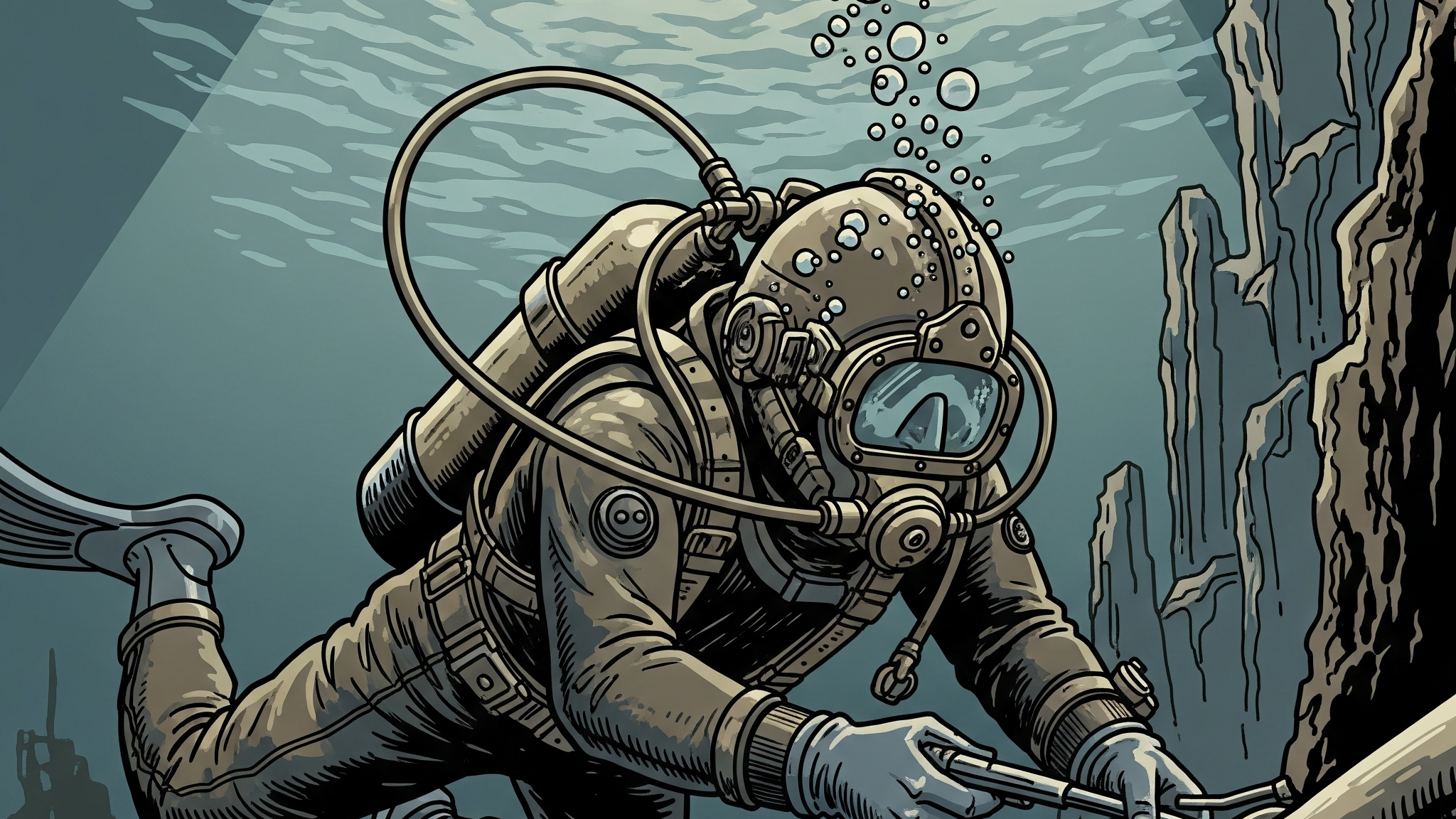
Commercial divers are tasked with inspecting, repairing, removing, or installing equipment and structures beneath the water’s surface. Their responsibilities are diverse and can include complex operations such as underwater welding and cutting, non-destructive testing, and the operation of hydraulic tools like jackhammers, impact drills, and chainsaws. Salvage operations, where divers plan and execute the recovery of sunken vessels or objects, are also a significant part of the profession, requiring meticulous planning and execution in real-world conditions.
The work environment is inherently hazardous, often involving zero visibility, contaminated water, and extreme pressure differentials. This necessitates exceptional focus, stamina, and skill, making it a physically demanding and technically complex career. Furthermore, commercial diving is a high-responsibility role, frequently involving the health and safety of other workers. Divers must demonstrate strong teamwork, communication skills, and the ability to make critical decisions under pressure.
1.2. Key Industries Employing Commercial Divers
Commercial divers are indispensable across a range of industries, with primary employment concentrated in “Other Support Services” and “Other Heavy and Civil Engineering Construction”.
Specific sectors and applications that drive demand for commercial diving expertise include:
- Oil and Gas: This sector heavily relies on commercial divers for the inspection and maintenance of offshore rigs and pipelines.
- Construction: Divers are crucial for the construction, maintenance, and repair of critical underwater infrastructure such as bridges, dams, docks, and pipelines, including those for new wind farms.
- Marine Salvage and Disaster Recovery: These operations involve recovering submerged objects or assisting in emergency situations, often after natural disasters.
- Renewable Energy: The expansion of offshore wind energy projects has led to increased demand for underwater turbine maintenance and subsea cable laying.
- Environmental Conservation: Divers contribute to marine environment control checks, water treatment, and other ecological efforts.
- Scientific Research and Exploration: This includes roles in marine science, research, and geological appraisals.
- Specialized Operations: Highly specialized areas such as nuclear power plant inspections and hazardous materials (Hazmat) diving also require commercial divers.
Read the book about what commercial diving is really about.
1.3. National Employment Statistics and Wage Trends
As of May 2023, the total employment for commercial divers in the United States was approximately 2,790 individuals. This number has seen some fluctuations over recent years, with 2,670 divers reported in 2021 , 3,860 in 2022 , and 3,420 in 2019.
The mean annual wage for commercial divers in May 2023 was reported at $75,570. However, the median annual wage for the same period was $61,300. The difference between the mean and median wages in commercial diving is notable, indicating that a smaller segment of high-earning divers significantly influences the average. This pattern suggests that entry-level or less specialized divers typically earn closer to the median or lower end of the pay scale.
Further examination of wage percentiles reveals a wide range of earning potential within the profession:
- 10th percentile: $39,430 annually
- 25th percentile: $46,440 annually
- 50th percentile (Median): $61,300 annually
- 75th percentile: $89,750 annually
- 90th percentile: $136,990 annually
This broad distribution underscores that while a foundational commercial diving certification provides entry, advanced skills and specialization are crucial for commanding higher wages. Divers who invest in additional training for high-demand niches are positioned to achieve significantly greater financial returns over their careers.
Table 1: National Commercial Diver Wage Percentiles (May 2023)
| Percentile | Hourly Wage | Annual Wage | |
| 10% | $18.96 | $39,430 | |
| 25% | $22.33 | $46,440 | |
| 50% (Median) | $29.47 | $61,300 | |
| 75% | $43.15 | $89,750 | |
| 90% | $65.86 | $136,990 | |
| Source: Bureau of Labor Statistics, May 2023 Occupational Employment Statistics |
1.4. Geographic Employment Hotspots and Wage Variations
Both employment concentration and wage levels for commercial divers exhibit significant variation across different states and metropolitan areas.
In 2023, the states with the highest employment of commercial divers included Louisiana (560 divers, mean annual wage $54,840), Florida (330 divers, $56,540), and Texas (150 divers, $56,730). These regions often have extensive coastal infrastructure or offshore energy operations that require a consistent diving workforce.
Conversely, the states reporting the highest mean annual wages for commercial divers in 2023 were Washington ($154,630), New York ($155,630), and California ($134,310). It is important to note that employment data for some of these high-paying states may be suppressed in public reports due to small numbers of employed individuals, which can impact the representativeness of the average wage.
High-paying metropolitan areas in 2023 included Seattle-Tacoma-Bellevue, WA ($169,040), New York-Newark-Jersey City, NY-NJ-PA ($130,600), and San Diego-Carlsbad, CA ($129,430).
The substantial disparity in wages across different geographic regions suggests a strategic consideration for aspiring divers. For example, Washington state consistently shows significantly higher mean wages compared to Louisiana, despite Louisiana having a higher concentration of divers. This difference is not merely random; it indicates that the specific type of work available, the local cost of living, and the balance of demand versus supply in particular regions profoundly influence earning potential. The concept of “geographic arbitrage” applies here, where the same skills can command vastly different rates depending on location. Therefore, being willing to relocate or travel to areas with higher demand and compensation can significantly enhance a commercial diver’s income and overall career viability.
Table 2: Top Employing and Highest Paying States for Commercial Divers (May 2023)
| State | Employment | Mean Annual Wage | |
| Top Employing | |||
| Louisiana | 560 | $54,840 | |
| Florida | 330 | $56,540 | |
| Texas | 150 | $56,730 | |
| Highest Paying | |||
| New York | (Data Suppressed) | $155,630 | |
| Washington | 130 | $154,630 | |
| California | (Data Suppressed) | $134,310 | |
| Source: Bureau of Labor Statistics, May 2023 Occupational Employment Statistics |
1.5. Projected Job Market Growth and Demand Drivers
The job market for commercial divers is projected to grow by 6.8% between 2022 and 2032, a rate considered “about as fast as average” compared to all occupations. This growth is expected to generate approximately 500 job openings annually. Over the next decade, the United States is anticipated to require more than 6,000 commercial divers, with a significant portion (5,500) needed to replace retiring workers and 300 for new positions.
Despite the “average” growth rate, the industry faces a critical workforce shortage. Reports indicate that limited workforce availability remains a significant challenge, with a 45% decline in new commercial diver enrollments. This decline in the supply of new, qualified divers creates a favorable environment for job placement for those who successfully complete training. The demand for specialized skills within this existing shortage further enhances the employability of well-trained individuals.
Key factors driving this demand include:
- Infrastructure Maintenance: Ongoing needs for inspecting and repairing oil rigs, pipelines, dams, and bridges.
- New Construction: Growth in maritime construction and underwater structures.
- Renewable Energy: Expansion of offshore wind energy projects, requiring underwater turbine maintenance and subsea cable installation.
- Telecommunications: Installation of fiber optic cables on the ocean floor.
- Environmental and Scientific Work: Marine environment control checks, seismic surveys, geological appraisals, and deep-sea mining.
- Emergency Services: Underwater salvage and emergency response operations.
Given the specialized and demanding nature of commercial diving, and the relatively small number of professionals, most certified applicants are likely to find employment. However, the industry can be cyclical and subject to economic downturns. Additionally, employers often prefer not to hire divers aged 45 and above, encouraging individuals to enter the profession at a younger age and consider transitioning to “topside” or non-diving roles later in their careers.
Need a great laugh about commercial divers?!
2. Commercial Dive Schools: Training and Certifications
Commercial dive schools provide the foundational knowledge and practical skills necessary for entry into this specialized profession. The quality and type of training, along with the certifications obtained, are paramount for a graduate’s employ-ability.
2.1. Essential Training Requirements and Industry-Recognized Certifications
A post-secondary certificate is the most common educational requirement, held by 72% of commercial divers, while an Associate’s degree is held by 12%. To meet the rigorous standards set by the Association of Diving Contractors International (ADCI), formal commercial diver training must comprise at least 625 documented hours of instruction. Some comprehensive programs, such as those offered by the Florida Commercial Diving Institute (FCDI), extend to 900 hours.
The curriculum at reputable dive schools covers a broad spectrum of critical areas, including:
- Theoretical Foundations: Physics and physiology of hyperbaric environments, air decompression, and dive medicine.
- Equipment Proficiency: Maintenance and operation of diverse diving equipment and hyperbaric chambers.
- Underwater Work Skills: Practical application of underwater work similar to inland and oilfield operations, including welding, cutting, construction, and inspection diving.
- Safety and Operations: Mastering emergency procedures, rigging, seamanship, and general safety protocols for industrial and offshore operations.
- Advanced Techniques: Training in saturation and mixed gas diving, crucial for deeper and longer duration projects.
Crucial industry certifications obtained through these training programs are vital for securing employment:
- ADCI Entry Level Tender/Diver Card: This is a fundamental certification, signifying adherence to ANSI/ACDE standards. The ADCI is a global organization that establishes and promotes industry-wide safety standards, which are recognized by regulatory bodies such as OSHA, the U.S. Coast Guard, and the U.S. Army Corps of Engineers.
- Underwater Welding Certification: Certifications such as the AWS D3.6M-Class C Standard are highly valued, with some institutions like FCDI highlighting their unique offerings in this area.
- Medical and Safety Certifications: First Aid, CPR, Oxygen Provider, and Dive Medical Technician (DMT) certifications are often required by employers.
- Specialized Endorsements: Additional qualifications like HAZWOPER/HAZMAT, API Rigging, Non-Destructive Testing (NDT), and Kirby Morgan Hat Technician training enhance a diver’s versatility.
- International Certifications: For global career opportunities, certifications from bodies like the Divers Certification Board of Canada (DCBC) and the International Marine Contractors Association (IMCA) are essential, as they are recognized internationally.
The consistent emphasis on ADCI in the research material highlights its pivotal role. ADCI explicitly mandates 625 hours of formal instruction from an accredited commercial dive school and does not accept recreational SCUBA certifications for commercial diving purposes. This establishes ADCI as a critical gatekeeper for entry into the professional commercial diving industry, both domestically and internationally. Attending an ADCI-recognized or accredited school is not merely a suggestion; it is a fundamental prerequisite for obtaining the necessary professional certifications that employers actively seek. This explains why many reputable schools prominently feature ADCI certifications as a core outcome of their programs.
2.2. Accreditation and its Importance
Accreditation is a crucial indicator of a commercial dive school’s adherence to recognized standards for educational quality and training rigor. Institutions such as Divers Institute of Technology (DIT) and Divers Academy International are accredited by the Accrediting Commission of Career Schools and Colleges (ACCSC). Commercial Divers International holds accreditation from the Council on Occupational Education.
The Association of Diving Contractors International (ADCI) itself is an ANSI Accredited Standards Developer , and its Consensus Standards are officially cited by major regulatory bodies like OSHA, the U.S. Coast Guard, and the U.S. Army Corps of Engineers. This widespread recognition underscores the importance of training that aligns with ADCI standards.
Beyond quality assurance, accreditation is frequently linked to a school’s eligibility for federal financial aid programs, specifically Title IV funding. This connection means that accredited institutions are often required to track and disclose student outcomes, including job placement rates, providing a layer of accountability to prospective students and the public, even if the methodologies for these disclosures can vary. For a prospective student, choosing an accredited school is not just about ensuring a quality education; it also provides access to crucial financial assistance and the assurance that the certifications earned will be widely recognized and respected within the commercial diving industry.
3. Job Placement Performance of Leading Commercial Dive Schools
Evaluating the job placement performance of commercial dive schools requires careful consideration, as reporting methodologies and transparency vary significantly across institutions.
3.1. Challenges in Interpreting Placement Rates: Methodological Nuances
A significant challenge in assessing job placement for commercial dive schools lies in the absence of a single, uniform standard for calculating and disclosing placement rates across all educational institutions, accreditors, and states. This lack of standardization means that reported percentages can be difficult to compare directly and may not always reflect the full picture of post-graduation employment.
Definitions of “job placement” themselves can differ:
- Federal Regulations: For programs eligible for “gainful employment” funding, federal regulations typically define placement as a graduate being employed for at least 13 weeks in their field of study (or a related field) within 180 days of completing the program.
- Accrediting Bodies: Accreditors like ACCSC define “employed in field” more broadly, including directly related, paid positions, self-employment, or even career advancement for individuals already employed at the time of graduation.
- State Methodologies: Some state-level calculations may include employment in either “related or non-related” fields, further broadening the definition.
Adding to the complexity, schools may exclude certain graduates from their placement rate calculations. Common exclusions include individuals unavailable for employment due to health issues, incarceration, active military service, or international students returning to their home countries. Graduates who continue their education are also often excluded.
The case of DeVry University, highlighted in the research, serves as a cautionary example of how placement rates can be manipulated. DeVry was found to have inflated its advertised 90% placement rate by counting “old jobs” (positions students held
before enrolling) and by excluding many job-seeking graduates from the calculation. This practice significantly distorted the true employment outcomes attributable to their education. This example underscores the necessity for critical evaluation of reported placement figures and emphasizes the importance of transparent methodology and, ideally, third-party verification.
The variability in how “placement” is defined and measured creates a “placement rate paradox”: while some schools report impressive figures, the underlying methods for calculating these numbers are often opaque. This means prospective students should not simply accept reported percentages at face value. Instead, they must engage in due diligence, asking specific questions about how the rate is calculated, what “placed” truly signifies (e.g., full-time, in-field, new employment), and whether the data has been independently verified. This critical approach is essential for making informed decisions about commercial dive school programs.
3.2. Reported Placement Rates and Key Features by School
While a universal standard for job placement reporting remains elusive, several leading commercial dive schools provide specific figures or comprehensive career support.
- Divers Institute of Technology (DIT), Seattle, WA: DIT, accredited by ACCSC , reports a
92% job placement rate for graduates available for placement between June 2022 and May 2023, representing 260 out of 283 students. This high rate is supported by their claim of internal and third-party verification. DIT offers an intensive 7-month program with realistic training conditions in Lake Union and Lake Washington, including deep dives to 165 feet and extensive “bottom time”. Graduates receive 13 certifications, including international DCBC certification, enabling global employment. DIT also provides robust career services, including resume assistance, mock interviews, year-round recruiter visits, and ongoing alumni support. As a veteran-owned and operated institution, nearly 50% of its students are military veterans utilizing GI Bill benefits, with testimonials highlighting immediate job offers upon graduation. Alumni frequently report securing significant roles in major projects, such as large-scale salvage operations or nuclear diving. - The Ocean Corporation, Houston, TX: This institution reports varying placement rates depending on the cohort and reporting body. For students completing between June 2022 and May 2023, the accreditor rate was 76.56% (49 of 64 graduates) and 86.25% (113 of 131 graduates). The state rate for September 2021 to August 2022 was 77.61% (52 of 67 graduates) and 76.85% (83 of 108 graduates). The program is designed for 30 weeks of training and emphasizes practical, hands-on instruction.
- Florida Commercial Diving Institute (FCDI), Hudson, FL: FCDI self-reports an impressive 98% job placement rate, alongside a 97% graduation rate and 98% student success rate. While they offer job placement services , they explicitly state that employment is not guaranteed. FCDI highlights its unique offering of underwater welding and cutting certification and provides IMCA-recognized Unrestricted Surface Supplied Diver certification. Recruiters from dive companies visit the school regularly , and alumni testimonials indicate success in salvage and underwater welding careers.
- International Diving Institute (IDI), Charleston, SC: IDI, accredited by ACCET , “prides themselves on their students’
92% employment rate right after graduation”. Specific details on their methodology for calculating this rate were not provided in the available information. IDI offers intensive programs covering air/mixed gas diving, underwater welding (with certification), HAZWOPER/HAZMAT diving, burning, and ROV piloting. - South Louisiana Community College (SoLAcc), Morgan City, LA: Specific job placement rates were not provided in the available information. SoLAcc offers a 2-semester Certificate of Technical Studies in Commercial Diving. The program aims to prepare individuals for entry-level employment, with reported average starting salaries of $18+ per hour offshore and $22 per hour inland. It is noted as the only accredited commercial diving school in Louisiana.
- Santa Barbara City College (SBCC), Santa Barbara, CA: No specific job placement rates were found in the provided information. SBCC offers a 2-semester Certificate of Achievement or an Associate of Science degree in Marine Diving Technology , certifying divers under ANSI/ACDE standards. An alumnus suggests that SBCC provides a “better education than most of the private schools” due to a longer curriculum and smaller class sizes, and is “much more affordable” (in-state tuition around $1k per semester). This alumnus also notes that SBCC is “pretty straight up” about the demanding nature of the industry and its high attrition rate, contrasting with “for-profit” schools that may over-hype career prospects.
- Minnesota Commercial Diver Training Center (MCDTC), Brainerd, MN: No specific job placement rate was provided in the available information. MCDTC offers a shorter, 11-week program emphasizing smaller class sizes (limited to 12 students) and early open water training. The institution is licensed by the Minnesota Office of Higher Education , and students can earn 18 college semester credits through Central Lakes College.
- ProDiver Training Center, Alvarado, TX: No specific job placement rate was provided in the available information. ProDiver Training Center offers job placement assistance and was founded by military veterans, with instructors boasting over 130 years of combined industry experience. As a newer school (founded 2022) with small class sizes (limit 10) , its long-term placement data is still developing. Texas state regulations require career schools to maintain a minimum 60% employment rate.
- Commercial Divers International (CDI), Goodyear, AZ: No specific job placement rate was provided in the available information. CDI offers job placement assistance and focuses on entry-level surface-supplied diver training leading to ADCI certification. The school emphasizes its veteran instructors and adherence to military protocols. Testimonials from graduates suggest successful employment before or soon after program completion.
- Divers Academy International, Erial, NJ: This institution, accredited by ACCSC , offers job placement assistance. While ACCSC requires accredited schools to disclose graduation and employment rates , specific placement rates for Divers Academy International were not found in the provided research. DataUSA indicates a 93% completion rate within normal time and a 90% retention rate for the school.
- EASRCC Commercial Dive Center (Trade Union), USA: This center offers intensive, free training where prospective divers are paid to learn. It is unique as the only trade union in the U.S. accredited by ADCI. No specific job placement rate was provided in the available information.
When examining the placement data reported by individual schools, a clear spectrum of transparency and support emerges. Some institutions, like DIT and The Ocean Corporation, provide specific percentages, with DIT notably backing its claims with third-party verification. Other schools, while offering “job placement assistance,” do not publish specific rates in the available information. This variation in reporting makes direct comparisons challenging and highlights the “placement rate paradox.” The fact that a trade union offers paid training, and a public college openly discusses the demanding realities and high attrition of the industry, contrasts with the marketing strategies of some private for-profit schools that often emphasize high placement rates. This suggests differing incentives and approaches to student outcomes. Prospective students should prioritize schools that are transparent about their placement methodology and provide a realistic understanding of the industry’s demands.
4. Key Factors Influencing Commercial Diver Employability
Beyond the initial training and certifications, several critical factors significantly influence a commercial diver’s long-term employability and career progression.
4.1. The Value of Specialized Skills and Additional Certifications
While a basic commercial diver certification is essential for entry into the field, acquiring specialized skills and additional certifications profoundly enhances a diver’s employability and earning potential. The wide range in commercial diver wages, as shown in the national statistics, directly reflects the impact of these advanced qualifications.
High-paying specializations include:
- Underwater Welding and Burning: These are highly technical and in-demand skills for construction, repair, and salvage operations.
- Hazmat (Hazardous Materials Technician) and Nuclear Diving: These roles involve working in contaminated or radiologically controlled environments and command premium rates, potentially $100-200+ per hour.
- Saturation Diving and Mixed Gas Diving: Necessary for extended periods at greater depths, these skills are crucial for offshore oil and gas or deep-sea construction projects.
- Non-Destructive Testing (NDT): Involves inspecting structures for flaws without causing damage.
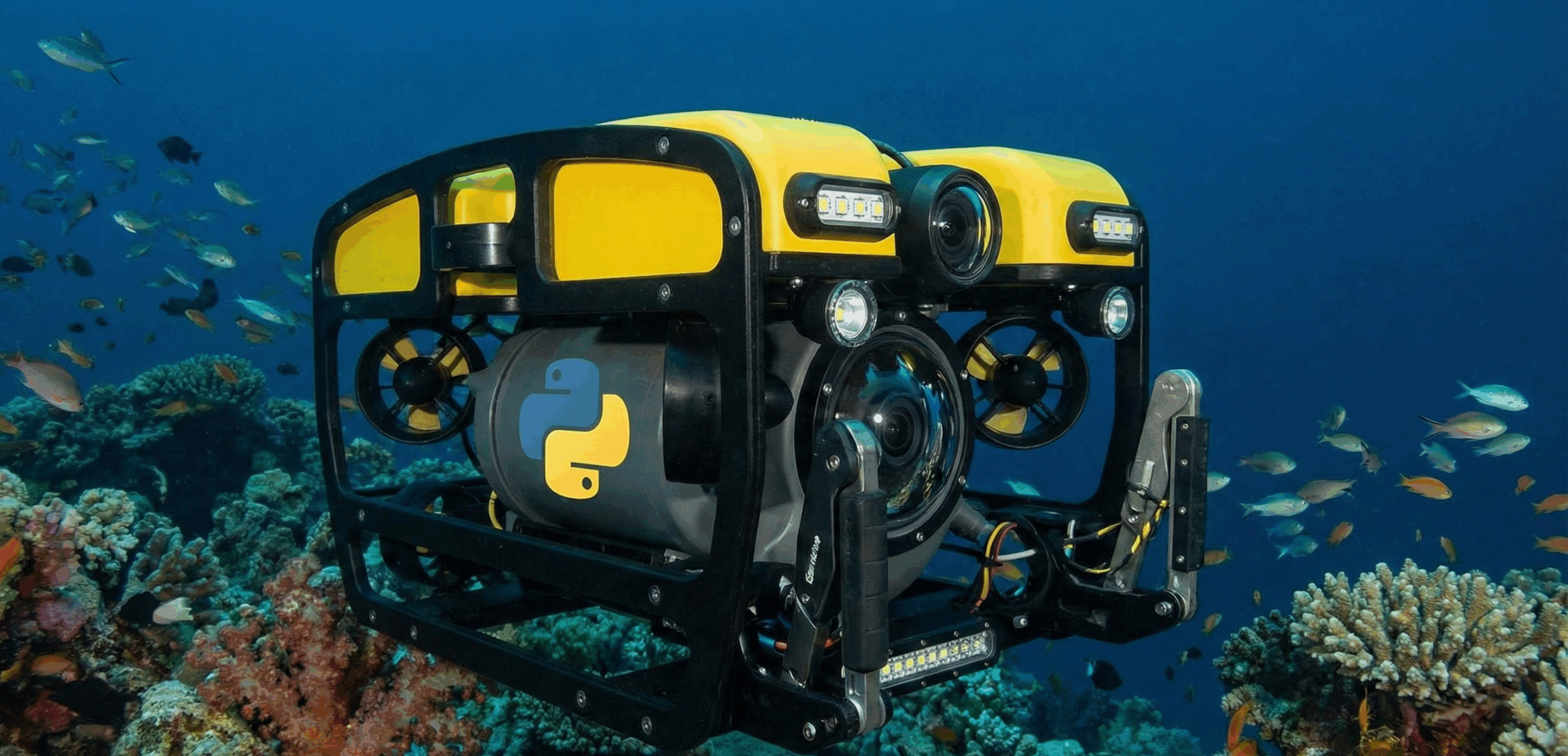
- ROV (Remotely Operated Vehicle) Piloting: As technology advances, the ability to operate ROVs for inspection and support tasks is increasingly valuable.
These specialized roles require additional training and certifications, but the investment is generally considered worthwhile for those aspiring to achieve top-tier earnings and secure more stable, high-demand positions. The acquisition of these advanced skills acts as a clear ladder to higher earning potential and broader career opportunities within the commercial diving industry.
4.2. Importance of Practical Experience and Hands-on Training
Reputable commercial dive schools emphasize hands-on training in realistic conditions, such as DIT’s facilities on Lake Union and Lake Washington, or MCDTC’s use of the Mississippi River and Cuyuna Mine Pits. This practical experience is crucial for developing skills in leadership, support roles, performance management, and decision-making in real-world scenarios.
However, gaining practical experience extends beyond the classroom. After completing formal training, it is essential for new divers to seek internships or entry-level positions. A common entry point into the industry is working as a “tender,” a topside support role that typically lasts for approximately three years before a diver advances to full diver status. This initial phase is fundamental for learning operational procedures, understanding the nuances of dive support, and building trust within dive teams.
The ability to work effectively in “blackout conditions” (zero visibility) and to “see with your hands” is a critical skill honed through extensive practical training and real-world exposure. The commercial diving industry experiences a high attrition rate, particularly in the initial years. This suggests that many graduates may be unprepared for the demanding, often less glamorous, realities of the tender role. Schools that transparently prepare students for this initial phase, rather than solely focusing on the “diving” aspect, may contribute to higher long-term retention rates in the industry. The tender gateway serves as a crucial filter, separating those with genuine commitment and adaptability from those who may not be suited for the rigorous lifestyle of commercial diving.
4.3. Role of Networking and Industry Connections
Networking is a crucial component of career success in the commercial diving industry. Many leading commercial dive schools actively facilitate these connections. For instance, Divers Institute of Technology (DIT) regularly hosts recruiters from both inland and offshore dive companies, providing students with direct opportunities to meet potential employers. The Florida Commercial Diving Institute (FCDI) also reports frequent recruiter visits to its campus.
A robust professional network can open doors to job opportunities that might not be publicly advertised and keeps divers informed about new developments and emerging demands within the field. Beyond initial placement, alumni networks and continued career assistance from schools, such as DIT’s refresher courses and dedicated career services director, provide valuable long-term support for divers throughout their careers.
4.4. Physical Fitness, Mental Resilience, and Personal Attributes
Commercial diving is inherently physically demanding. Aspiring divers must pass a rigorous dive medical examination conducted by a UHMS (Undersea and Hyperbaric Medical Society) doctor to ensure they are fit to handle the extreme physical and pressure changes of underwater work. Strong swimming skills and water survival abilities are also fundamental prerequisites.
Beyond physical capabilities, mental preparedness and resilience are equally critical. The ability to manage stress, adapt to unpredictable conditions, and “keep your cool” in hostile underwater environments is paramount for safety and success. Commercial diving often involves working in teams, making strong communication and collaborative abilities vital for efficient and safe operations. Furthermore, personal attributes such as “thick skin” and a good sense of humor are cited by industry veterans as important for navigating the challenging initial years in the profession, where new divers may face rigorous conditions and scrutiny. These non-technical attributes are as important as technical skills for long-term retention and success in the demanding world of commercial diving.
Conclusions
The job placement outlook for commercial dive school graduates is generally positive, characterized by a unique interplay of industry growth, specialized demand, and a notable workforce shortage. While the overall number of commercial diving jobs in the U.S. is relatively small (approximately 2,790 as of May 2023), the projected growth rate of 6.8% through 2032, coupled with a significant need to replace retiring divers, creates a favorable employment environment for qualified individuals. This is further amplified by a reported decline in new commercial diver enrollments, which contributes to a shortage of skilled professionals.
Leading commercial dive schools frequently report high job placement rates, with some claiming figures upwards of 90%. However, the interpretation of these rates requires careful scrutiny due to varying methodologies across institutions and the potential for inflated reporting. Prospective students must exercise due diligence by inquiring about the specific definitions of “placement” and whether reported figures are independently verified.
Successful job placement and long-term career viability in commercial diving are not solely dependent on obtaining a basic certification. Instead, they are significantly influenced by several interconnected factors:
- Specialized Certifications: Acquiring advanced skills in areas like underwater welding, hazmat diving, or saturation diving is a direct pathway to higher earning potential and more in-demand roles.
- Practical Experience: The industry values hands-on training in realistic conditions. New graduates should anticipate starting as “tenders,” a crucial apprenticeship phase that builds practical experience and demonstrates commitment to the demanding lifestyle.
- Industry Connections: Networking, often facilitated by dive schools through recruiter visits and alumni support, plays a vital role in accessing job opportunities.
- Personal Attributes: Beyond technical skills, physical fitness, mental resilience, adaptability, and strong teamwork abilities are essential for navigating the inherent dangers and challenges of underwater work.
In conclusion, while commercial diving offers a promising career path with strong earning potential for those who excel, aspiring divers must approach their training and career planning strategically. Choosing an accredited school that provides comprehensive, industry-aligned training, emphasizes practical skills, and offers robust career support, while also understanding the demanding realities of the profession, will significantly enhance their prospects for successful and sustained employment.