admin
admin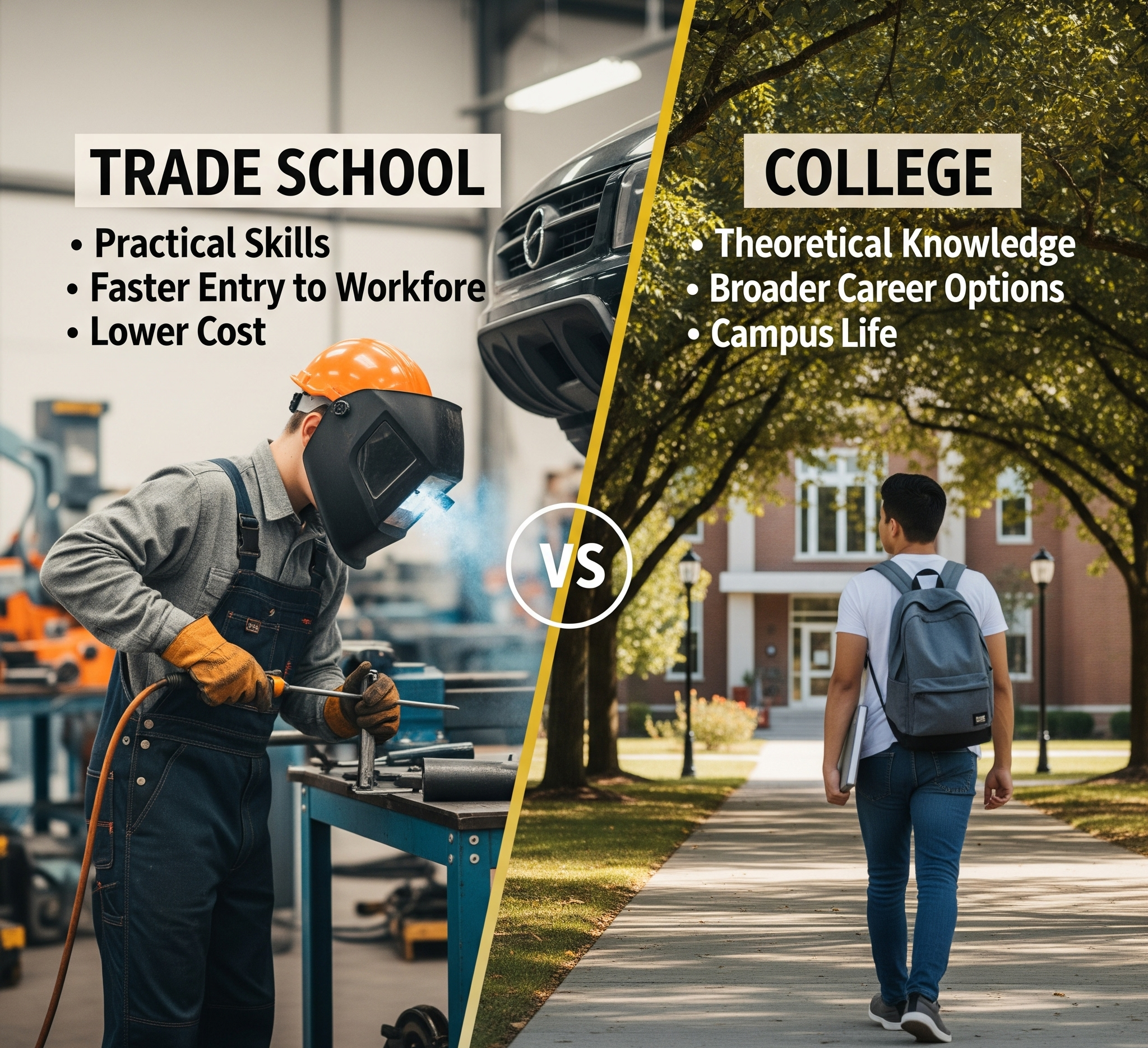
America’s obsession with the four-year college degree has created a massive problem: a skills gap, a crippling student debt crisis, and a society that undervalues the very jobs that keep our country running. TV host and advocate Mike Rowe has spent his career shining a light on these issues and championing the value of skilled trades. For Rowe, the debate between trade school and college isn’t about which path is inherently better, but about recognizing that one size doesn’t fit all.
The Problem with “College for All”
Rowe’s core argument is that for decades, we’ve pushed a single message: if you want to be successful, you must get a four-year degree. This “cookie-cutter” advice, as he calls it, has had a number of unintended consequences.
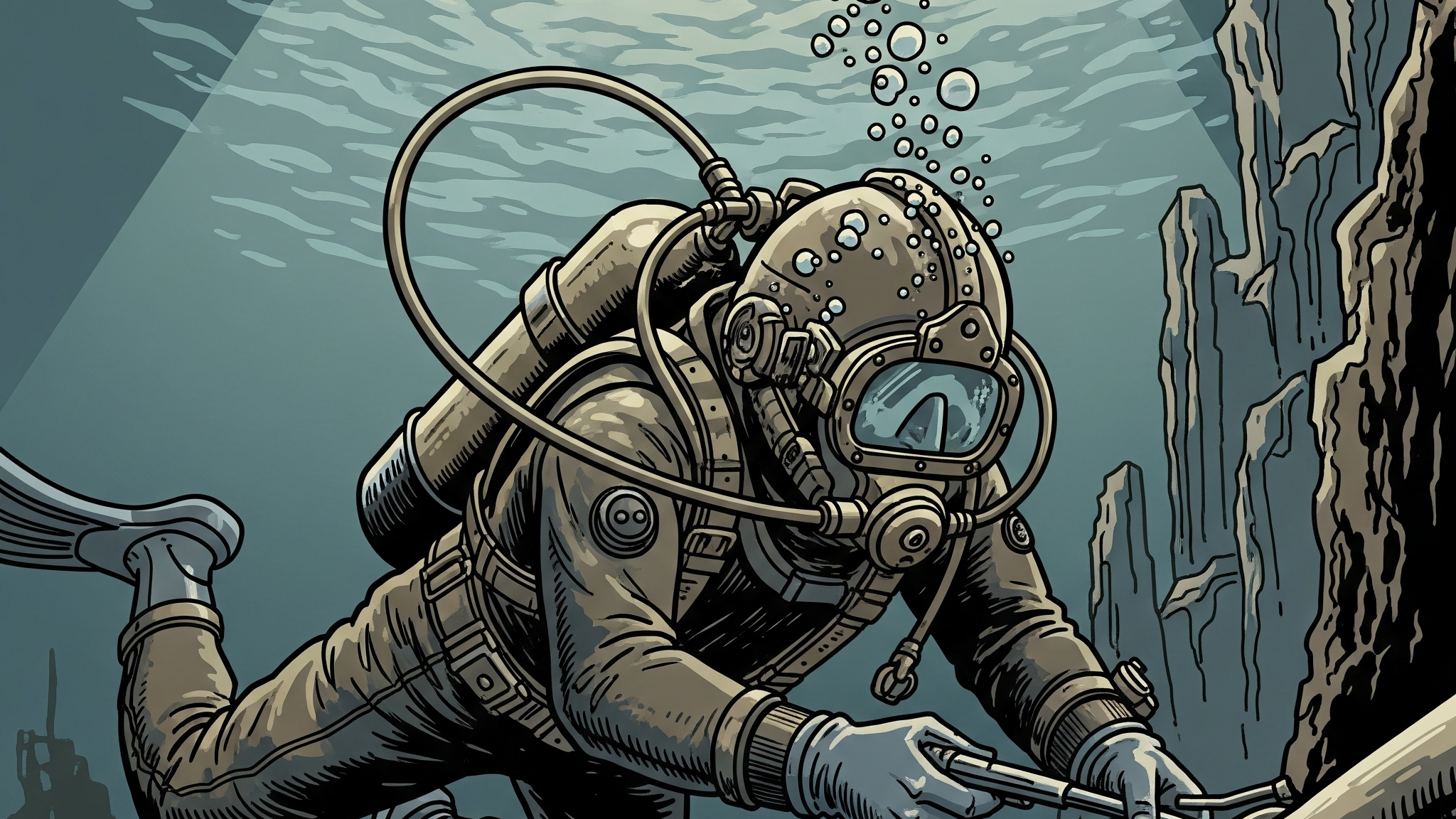
First, it has created a stigma against skilled labor. We’ve been taught to see “dirty jobs”—plumbing, welding, electrical work—as a consolation prize, a last resort for those who “couldn’t hack it” in college. This has led to a generation of people looking down on the very jobs that are essential to our infrastructure and daily lives. The commercial diving industry is a perfect example. We might think of divers as recreational enthusiasts, but the truth is, the industry is a cornerstone of construction, oil and gas, and maritime maintenance.
Second, the relentless push for a four-year degree has driven up tuition costs to an astronomical degree. Rowe points out that nothing in the history of our society has become more expensive faster than a four-year college degree. The result is over a trillion dollars in student loan debt, with many graduates struggling to find jobs in their chosen fields that justify the cost. For Rowe, that diploma on the wall is often just a very expensive receipt.
The Case for the Trades
Rowe’s solution isn’t to tear down higher education, but to promote skilled trades as a viable, honorable, and often more profitable alternative. He’s not anti-college; he’s “anti-cookie-cutter advice.” He believes that we need to restore a sense of dignity to these essential jobs.
Trade schools offer a practical, hands-on education that prepares people for high-demand, well-paying jobs. While many college graduates are saddled with debt, those who go into the trades can start earning a good living much sooner, often with little to no debt. This is particularly true for the commercial dive industry. Training can lead to a career with a strong earning potential, especially for those with specialized skills like underwater welding or inspections. An experienced commercial diver can earn a six-figure salary, all without the mountain of student loans that come with a typical four-year degree.
The jobs are out there; in fact, there are millions of skilled jobs that need to be filled. The problem isn’t a lack of opportunity, but a lack of people willing and trained to do the work. To combat this, Rowe started the mikeroweWORKS Foundation. The foundation’s mission is to debunk the myths about the trades, challenge the misconception that a four-year degree is the only path to success, and help close the skills gap. Through its Work Ethic Scholarship Program, the foundation provides financial assistance to people who want to pursue a career in the skilled trades, as long as they agree to the S.W.E.A.T. Pledge, which stands for “Skill & Work Ethic Aren’t Taboo.”
A New Perspective
Ultimately, Mike Rowe’s message is about changing our perception of what a “good job” is. He argues that a good job is one that makes you happy, is in demand, and provides a decent living—regardless of whether it requires a four-year degree. The path to a fulfilling career doesn’t have to be paved with a college diploma and crushing debt. For many, it’s a road that leads to a trade school, a toolbox, and the satisfaction of a job well done—even if that “toolbox” is an underwater welding torch and that “job well done” is a repair on a deep-water oil rig or inland infrastructure.