admin
admin
Beneath the Surface: Why Commercial Diving is the Unsung King of Extreme Environments
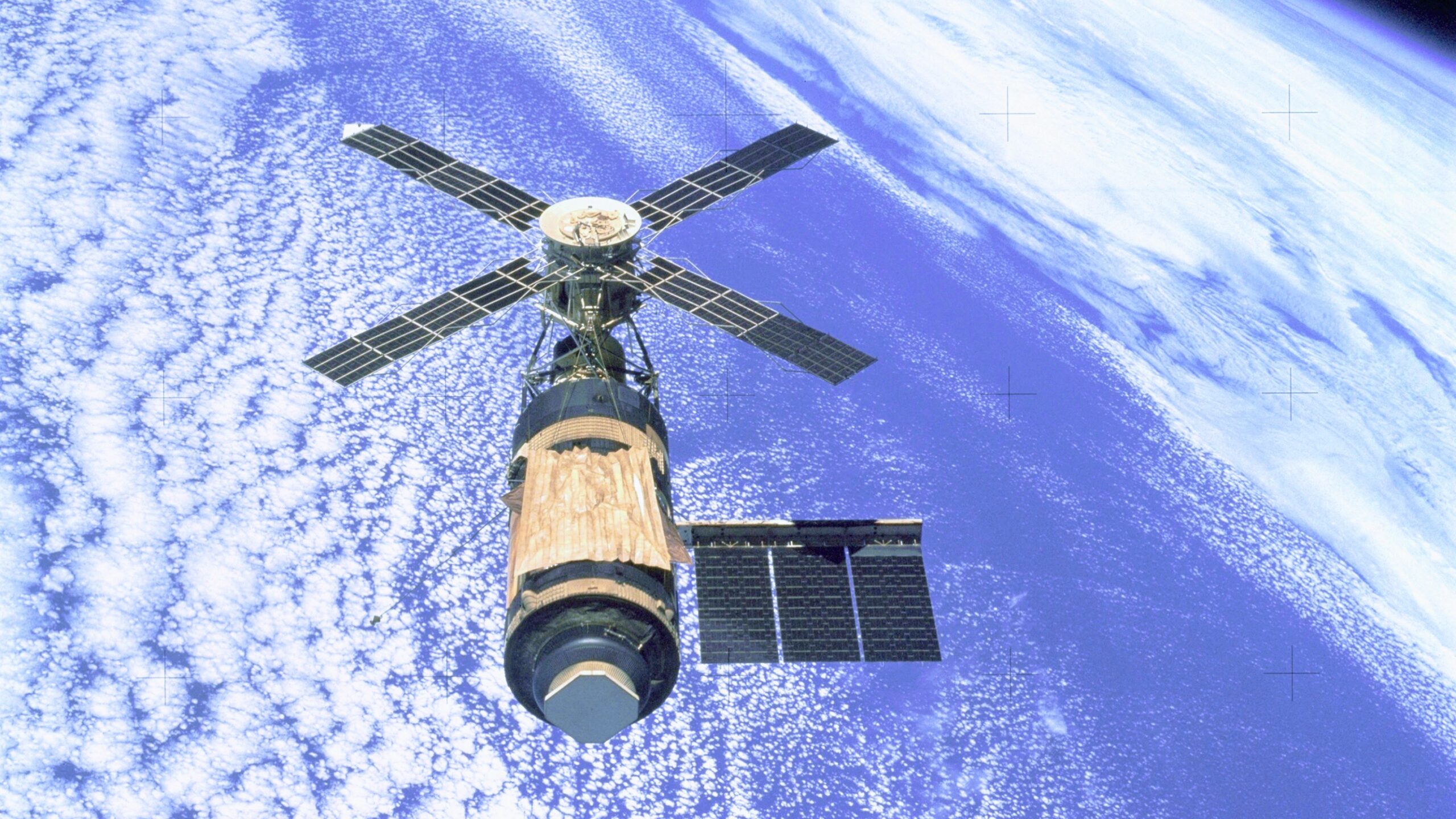
We often hear about the harrowing dangers faced by astronauts—the radiation, the isolation, the micro-gravity—but in the global hierarchy of high-risk professions, it’s time to acknowledge the unforgiving, visceral environment of the commercial diver. While space exploration captures the imagination, the ocean depths present a relentless, crushing, and immediate threat that commercial divers face on a daily, often grueling, work schedule.
To be clear, both astronauts and commercial divers operate in fundamentally hostile environments that demand exceptional skill, preparation, and life-support technology. Yet, the nature of the danger for the commercial diver is arguably more raw and immediate, combining the pressure and isolation of space with the grim realities of an industrial workplace.
The Crushing Reality of the Deep
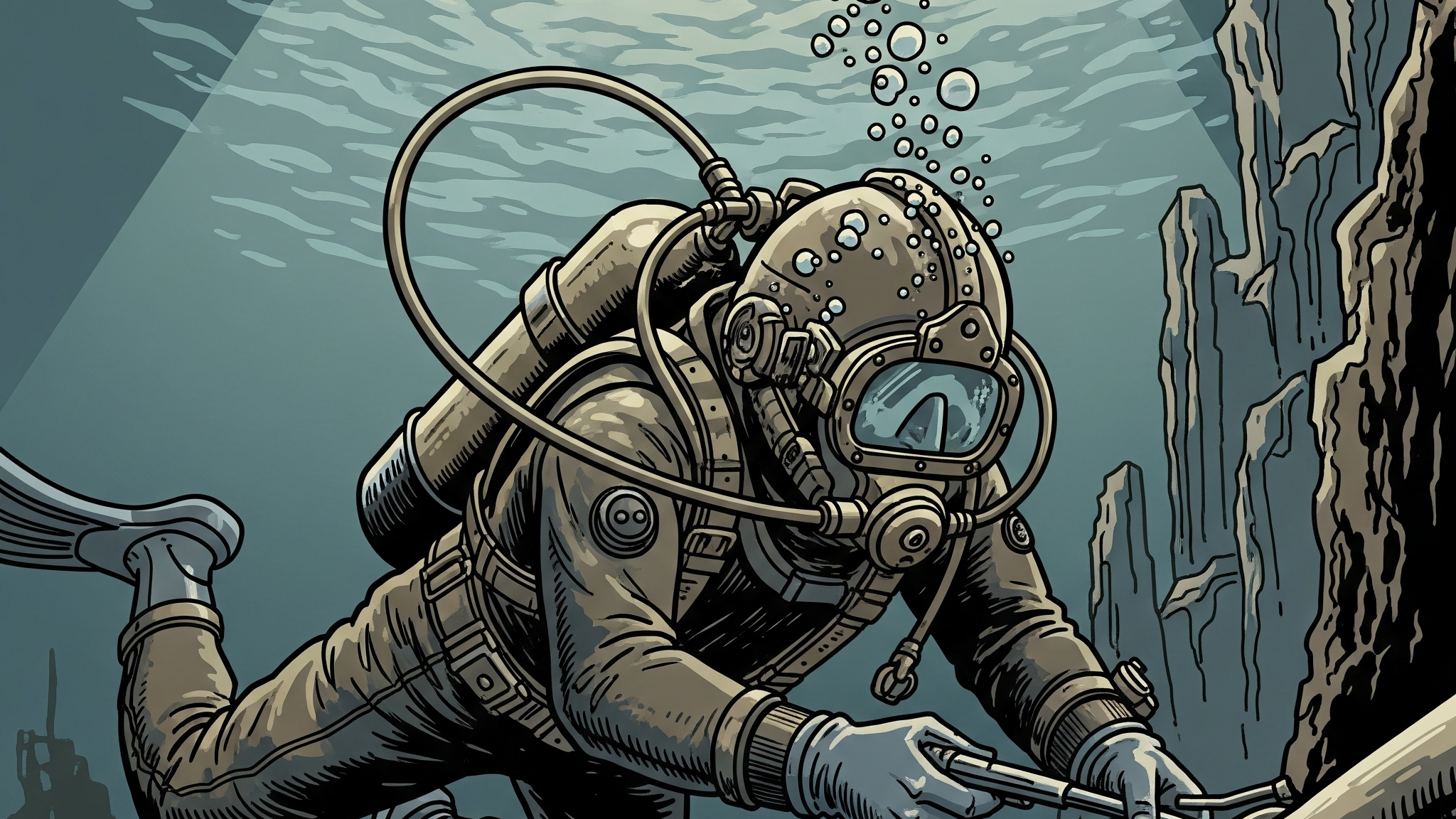
The most profound danger underwater is the sheer, overwhelming force of hydrostatic pressure. For every 33 feet a diver descends in saltwater, the pressure increases by one atmosphere (14.7 psi). Commercial divers routinely work at depths where this pressure is measured in the hundreds of pounds per square inch, an existential threat that can literally crush human tissue and requires complex, rigid suits or saturation diving habitats to manage.
This extreme pressure is the source of several severe and potentially fatal dysbarisms, which are chronic concerns for divers:
- Decompression Sickness (“The Bends”): A risk shared with astronauts transitioning to a lower-pressure spacesuit, for a diver, this risk is persistent, requiring meticulous management of ascent rates and mandatory decompression stops to prevent nitrogen bubbles from forming in tissues, which can cause paralysis, brain damage, or death.
- Gas Narcosis and Toxicity: At depth, gases become toxic. Nitrogen narcosis can impair judgment like alcohol, while oxygen, a life-giving gas, becomes toxic at high partial pressures, leading to convulsions and drowning. Divers must breathe complex, expensive, and precise mixed gases (like helium-oxygen) to stay clear-headed and alive, adding a layer of logistical complexity far beyond standard air.
- Barotrauma: Pressure differences can rupture eardrums, sinuses, and lungs, a painful and potentially catastrophic outcome if equalization fails.
Get the hilarious Ebook about commercial divers!
More Than Just Pressure: The Working Environment
Unlike the relatively pristine, predictable environment inside the International Space Station or a meticulously managed habitat, the commercial diver’s workplace is often a chaotic, low-visibility industrial site:
- Zero Visibility and Contamination: Divers frequently work in contaminated, polluted water, or in water so turbid they cannot see their own hands. They rely entirely on touch and training to perform precision tasks like welding, salvage, and inspection of critical infrastructure like pipelines or dams.
- Differential Pressure (Delta P): This is one of the most feared and immediate threats. A small opening in a pipe or dam can create a sudden, enormous pressure differential that can instantly trap and fatally dismember a diver. It is an unseen, powerful force that demands constant vigilance.
- Entanglement and Hypothermia: Diving umbilicals—the literal lifeline providing air, power, and communications—are constant entanglement risks near rotating machinery, twisted wreckage, or strong currents. Furthermore, water rapidly draws heat away from the body, meaning hypothermia is an ever-present threat, even in moderately cool water, demanding constant heat management.
While astronauts face radiation and isolation, their life support is engineered and maintained by a global space agency. The commercial diver, often employed in far less regulated environments, is a lone individual operating industrial machinery in a dark, crushing, contaminated liquid void, where a sudden current, a slip of the knife, or a mechanical failure can mean instant catastrophe.
The next time the dangers of space are mentioned, spare a thought for the professional who descends into our own planet’s hostile abyss, carrying the crushing, freezing, and blinding weight of the ocean on their shoulders, just to perform a day’s work. For many, the depths of the ocean are not a training analog for space—they are simply worse.


 Scott Kilgore