admin
admin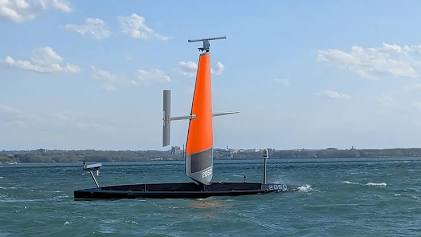
Clear Blue Skies, Prying Eyes: Why Surveillance Drones on the Great Lakes Cross the Line
There is something sacred about heading out onto the Great Lakes. Whether you’re trail-blazing Lake Michigan on a sailboat, casting a line into Lake Erie at dawn, or watching the sunset over Lake Huron, our inland seas have always represented a rare kind of freedom. They are vast, wild, and—until recently—unburdened by the constant gaze of the security state.
Lately, though, the horizon looks a little different.
The U.S. Coast Guard’s deployment of an armada of massive, 33-foot sailing drones (specifically Saildrone Voyager vessels) across the Great Lakes under the banner of tracking “illicit activity” should send a chill down the spine of every resident, boater, and privacy advocate in the region.
It’s time to call this what it is: heavy-handed security theater looking for a problem to solve, at the direct expense of our privacy.

A Solution in Search of a Problem
What crisis exactly is prompting the deployment of persistent, long-duration military-grade surface drones across a freshwater system the size of the United Kingdom?
According to federal authorities, these unmanned vessels are meant to curb cross-border drug trafficking and illegal immigration. But let’s look at the reality on the ground—or rather, on the water. The Great Lakes have never been a hotbed for maritime smuggling. When pressed for hard numbers, the Coast Guard neatly dodges specifics, citing “operational security reasons”.
Translating that from bureaucratic speak: We don’t have the data to justify this, but we’re doing it anyway.
Instead of protecting anyone, these silent, unblinking sentries—capable of operating autonomously for 100 days straight—turn a recreational sanctuary into a surveillance testing ground.

The Real Export: Persistent Data Collection
The danger of these sailing drones isn’t just that they look dystopian bobbing among weekend fishing boats. The deeper threat is the data.
With more than 200,000 recreational boats navigating these waters, millions of ordinary citizens enjoy privacy while pursuing a pastime. Yet, civil rights groups and regional experts point out a glaring lack of transparency regarding these drone programs.
-
Who has access to the data collected by these vessels?
-
How long is it retained?
-
How easily can everyday boaters, , and coastal residents get swept up into sweeping federal maritime databases built for border enforcement?
As privacy advocates have noted, these projects are rarely about stopping immediate threats in real-time. They are about building out a permanent maritime domain awareness infrastructure. Inch by inch, lake by lake, our public spaces are being mapped, monitored, and indexed.
Protecting the Spirit of the Lakes
The Great Lakes are a shared treasure shared by two nations—a peaceful border zone defined by cooperation, fresh water, and open horizons. Turning them into a testing zone for unmanned surveillance vessels poisons that public trust.
We shouldn’t have to accept a trade-off between enjoying our natural resources and maintaining our constitutional right to privacy. If federal agencies want to patrol our waters, they need to answer to the public with transparency, hard justification, and strict oversight—not sneak autonomous hardware into our bays under the radar.
Our lakes should be filled with the sound of wind and waves, not the hum of corporate-built, government-funded surveillance!